 Türkçe
 English
Painful Bladder Syndrome (Interstitial Cystitis)
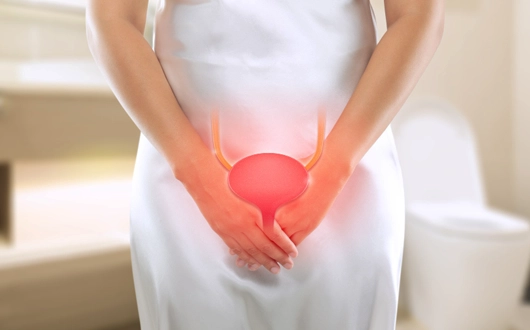
What Is Painful Bladder Syndrome (Interstitial Cystitis)?
Painful Bladder Syndrome is a chronic urinary tract condition characterized by pain that increases as the bladder fills, frequent urination, painful urination, difficulty voiding, and a burning sensation. It is more common in women and typically begins to appear between the ages of 30 and 40.
Painful Bladder Syndrome presents as a chronic pelvic pain condition that develops with bladder filling and is usually partially relieved after urination. It is accompanied by frequent urination and a sudden urge to void. The absence of an identifiable cause such as infection, stones, or tumors distinguishes this condition from typical urinary tract disorders.
Today, this condition is no longer considered a problem limited solely to the bladder. Instead, it is defined as a complex pain syndrome involving dysfunction of the sensory nervous system, immune response abnormalities, and impairment of the bladder’s protective barrier.
At the core of the disease may be damage to the glycosaminoglycan layer that lines and protects the inner surface of the bladder. When this protective barrier is compromised, potentially irritating substances in the urine can penetrate deeper layers of the bladder wall, triggering inflammation and increasing nerve sensitivity. As a result, normal bladder filling sensations may be perceived by the brain as pain or significant discomfort.
Painful Bladder Syndrome occurs predominantly in women, with symptoms often beginning in later stages of the reproductive years. However, the condition is not limited to a specific age or gender and may develop earlier in some individuals. The clinical course is typically fluctuating, with periods of symptom exacerbation alternating with relatively symptom-free intervals. Stress, hormonal changes, certain foods, and the duration of bladder filling can influence symptom severity.
This syndrome is not confined to urinary symptoms alone. Pelvic floor muscle tenderness, pain during sexual intercourse, and a significant decline in quality of life may also be present. For this reason, Painful Bladder Syndrome is recognized in modern medicine as a chronic pain disorder that requires a multidisciplinary treatment approach.
How Is Painful Bladder Syndrome Diagnosed?
The diagnosis of Painful Bladder Syndrome is made by excluding other causes of cystitis. Conditions that may predispose to Painful Bladder Syndrome include factors that cause damage to the bladder wall, recurrent urinary tract infections, as well as allergic, immunological, and neurological causes.
What Causes Chronic Interstitial Cystitis (Painful Bladder Syndrome)?
The exact cause of Chronic Interstitial Cystitis (Painful Bladder Syndrome) has not been fully clarified. However, current scientific evidence suggests that the condition does not arise from a single cause but rather from the combined effect of multiple mechanisms. Disruption of the protective lining of the bladder wall, increased sensitivity of nerve endings, and abnormal immune system responses may play significant roles in this process. In addition, certain foods and environmental factors may trigger or worsen symptoms.
Factors that are thought to contribute to the development of Chronic Interstitial Cystitis include:
- Inflammation of the bladder wall and damage to the epithelial barrier
- Recurrent or previous urinary tract infections
- Increased neurological sensitivity stimulating the bladder
- Abnormal immune system response against bladder tissue
- Genetic predisposition
- Exposure to chemical irritants
- Irritation of the bladder mucosa by alcohol, caffeine, and acidic foods
What Is the Treatment for Chronic Painful Bladder Syndrome?
In the treatment of Painful Bladder Syndrome / Chronic Interstitial Cystitis, medical therapies, intravesical (bladder) injections and bladder instillations, sacral neuromodulation, and surgical treatments may be used. Dietary and lifestyle modifications, as well as psychotherapy, can also be combined with these treatment approaches.
Diagnostic Tests for Painful Bladder Syndrome (Interstitial Cystitis)
Medical history and physical examination are essential for establishing the diagnosis. Urinalysis should be performed to detect infection and other urinary tract pathologies. Cystoscopy is a camera-based procedure that allows direct visualization of the bladder interior, enabling detailed evaluation of the bladder mucosa and detection of conditions such as stones or tumors.
Bladder biopsy may be taken to exclude other pathologies and confirm the diagnosis. Urodynamic tests can identify disorders causing urinary frequency, assess bladder capacity, evaluate bladder muscle function, and detect conditions related to urinary incontinence. After all investigations are completed and other causes are excluded, the diagnosis of Painful Bladder Syndrome is established.
Treatment Options for Painful Bladder Syndrome (Chronic Interstitial Cystitis)
Treatment of Painful Bladder Syndrome (Chronic Interstitial Cystitis) is planned using a stepwise and individualized approach rather than a single standard protocol, based on the type, duration, and severity of the patient’s symptoms. The main goals of treatment are to reduce pain, control urinary frequency, and improve quality of life.
Lifestyle and Dietary Modifications
Lifestyle changes constitute the first and most important step of treatment. Daily consumption of approximately 2.5–3 liters of water can reduce urine concentration and help alleviate irritation of the bladder lining. In addition, avoiding certain foods that may irritate the bladder is recommended. Alcohol, excessive caffeine, carbonated and acidic beverages, processed/packaged foods, and heavily spiced meals can particularly exacerbate symptoms. Identifying individual dietary triggers during this period is essential.
Medical Treatment Options
In patients whose symptoms persist despite lifestyle modifications, pharmacological treatment is considered. Depending on the clinical presentation, antihistamines, antispasmodics, anti-inflammatory medications, and analgesics may be used. These treatments aim to reduce inflammation in the bladder and decrease nerve sensitivity.
Intravesical (Bladder) Therapies
In cases where oral treatments are ineffective, intravesical therapies become an important option. Injections into the bladder wall and bladder instillations using hyaluronic acid or similar protective solutions may contribute to the restoration of the bladder epithelial barrier, leading to significant improvement in pain and urinary frequency.
Interventional and Surgical Approaches
In more resistant and advanced cases, neuromodulatory methods such as sacral neuromodulation, which regulate nerve signaling, may be considered. In very rare and severe cases, surgical treatments are evaluated. Surgical options are regarded as a last-line approach and require careful patient selection.
Treatment Process and Follow-up
Since Painful Bladder Syndrome is a chronic condition, the diagnostic and treatment process requires patience and regular follow-up. With appropriate treatment, symptoms can be brought under control in the majority of patients. However, some treatments may need to be repeated at certain intervals. To enhance treatment success and maintain long-term benefits, psychotherapy support may be helpful, particularly for managing stress and anxiety associated with chronic pain.
How Should Nutrition Be in Painful Bladder Syndrome?
One of the most important steps in the treatment of Painful Bladder Syndrome (Chronic Interstitial Cystitis) is ensuring daily water intake of approximately 3 liters to reduce the risk of urinary tract infections. Although achieving this level of fluid intake may not always be possible in patients who also experience frequent urination, the ideal fluid amount should be determined individually based on the maximum volume tolerated by each patient.
Lifestyle and dietary modifications are of great importance. Consumption of alcohol, excessive caffeine, acidic beverages, packaged foods, chocolate, artificial sweeteners, and spicy products is not recommended. A diet rich in fiber, including vegetables and fruits, along with balanced protein intake, is advised. In cases with a neurological component, supplementation with vitamin B6, magnesium, and calcium may be beneficial.
What Is Hyaluronic Acid Application for the Bladder in the Treatment of Painful Bladder Syndrome?
Hyaluronic acid is a glycosaminoglycan that serves as a fundamental structural component of connective tissue and is found in all connective tissues. Damage to this glycosaminoglycan layer as a result of infections and inflammation can lead to Painful Bladder Syndrome / Chronic Interstitial Cystitis. The primary goal of treatment is to restore this layer. Hyaluronic acid helps regulate bladder wall permeability and the inflammatory response, promotes repair of the bladder wall, and improves connective tissue integrity.
Hyaluronic acid applications can be used not only in Painful Bladder Syndrome and Chronic Interstitial Cystitis, but also in patients with hemorrhagic cystitis, recurrent bacterial cystitis, radiation-induced cystitis, and chemotherapy-related cystitis.
How Does Intravesical Hyaluronic Acid Work in the Treatment of Interstitial Cystitis?
Hyaluronic acid is the most abundant glycosaminoglycan in the extracellular matrix. By binding water molecules, it forms a protective layer on the bladder wall and exerts its effect by preventing contact between irritant substances and the bladder lining.
How Is Intravesical Hyaluronic Acid Applied in the Treatment of Painful Bladder Syndrome?
After the bladder is completely emptied, a catheter is passed through the urethra into the bladder, and the prepared hyaluronic acid solution is instilled into the bladder via a syringe. The procedure takes approximately 2–3 minutes. Once the full content is administered, the catheter is removed. The patient is advised to rest for 30–40 minutes without standing up immediately and to avoid urination for at least 2 hours.
Is Intravesical Hyaluronic Acid Application Painful in the Treatment of Chronic Interstitial Cystitis?
Since hyaluronic acid application involves catheterization similar to urinary catheter insertion, mild discomfort may be felt during catheter placement, along with a slight sensation of bladder fullness during instillation. It is not considered a painful procedure.
Is Intravesical Hyaluronic Acid Application Risky in the Treatment of Chronic Interstitial Cystitis?
Although hyaluronic acid application is an invasive procedure, it is a safe treatment option. There is no risk of damage to the bladder during the procedure. It can be performed in an outpatient clinic setting and is not considered a high-risk intervention.
How Often Should Intravesical Hyaluronic Acid Be Applied in the Treatment of Painful Bladder Syndrome?
In the initial treatment course, hyaluronic acid is administered once weekly for 4 weeks. This is followed by maintenance therapy once a month. Monthly applications may be continued until symptoms completely resolve. If symptoms recur, the treatment can be repeated.


 About Me
 Contact