 Türkçe
 English
Lichen Sclerosus Laser Treatment
What is Lichen Sclerosus?
Lichen sclerosus is a chronic skin condition that primarily affects the genital and anogenital areas. It is a rare disease that can cause thinning of the skin, sensitive lesions, and, over time, may lead to cancerous changes.
The exact cause of lichen sclerosus is not fully understood, but it is believed to result from an autoimmune process. It occurs more frequently in women, particularly after menopause, but it can affect individuals of any age.
What Causes Lichen Sclerosus?
Although the exact cause is unknown, about one-third of cases have a family history, and the frequent coexistence of other autoimmune diseases suggests an autoimmune origin. Certain bacteria and viruses have also been associated with lichen sclerosus.
It can particularly be observed in areas previously affected by HPV or HSV lesions. Development of lichen sclerosus has also been noted in patients with HCV hepatitis. In women, it is most commonly seen during prepubertal and postmenopausal periods when estrogen levels are low, suggesting a hormonal contribution.
Hormonal creams can be helpful in treatment. Physical trauma, such as sunburn, radiotherapy, or surgical procedures, can trigger flare-ups, similar to psoriasis, indicating a role for physical stress on the skin.
What Are the Symptoms of Lichen Sclerosus?
The most common symptom of lichen sclerosus is itching. Thinning of the skin in the affected area, abrasions, and fissures can cause pain and bleeding. Pain during sexual intercourse and urination are significant complaints that can affect daily life. Even if no symptoms are present, regular gynecological check-ups are essential, as untreated lesions can rarely develop into cancer.
How is Lichen Sclerosus Treated?
Treatment often includes steroid or testosterone creams, though their effectiveness is usually limited. With advances in technology, combining CO2 fractional laser treatments with platelet-rich plasma (PRP) or stromal vascular fraction (SVF) therapies has shown significant success.
Use of Genital Laser in Lichen Sclerosus Treatment
Lichen sclerosus is a chronic inflammatory skin condition affecting the genital and perianal areas, causing itching and pain. Untreated inflammation can lead to scarring, adhesions on the labia, and narrowing of the vaginal opening.
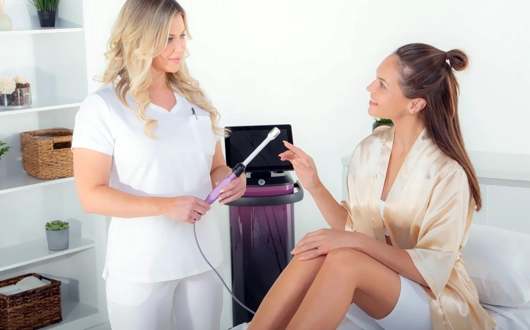
While steroid and testosterone creams are commonly tried, they are often insufficient. Genital laser treatment involves applying laser to the lesions every 4 weeks for 3–6 sessions. This stimulates vaginal rejuvenation, thickening of vaginal tissue, collagen deposition, and formation of new collagen and blood vessels. Histopathological samples taken after laser treatment have shown the disappearance of classic lichen sclerosus findings.
Do Creams Work for Lichen Sclerosus?
Steroid and testosterone creams are used, but their effects are usually very limited.
Can Lichen Sclerosus Turn into Cancer?
If left untreated, lichen sclerosus can cause scarring. Although the risk is low, skin cancer may develop in the affected areas. Even when lesions are resistant to creams, modern therapies such as laser and PRP, combined with topical treatments, can reduce symptoms and improve lesions.
What is the Diet for Lichen Sclerosus?
An elimination diet rich in anti-inflammatory foods, planned under the guidance of an expert dietitian, can help reduce inflammation in the body.
Which Doctor Should Treat Lichen Sclerosus?
Lichen sclerosus is a skin condition that can be examined and treated by dermatologists. Lesions in the genital area should always be evaluated and treated by a gynecologist.


 About Me
 Contact