 Türkçe
 English
IVF Treatment Methods
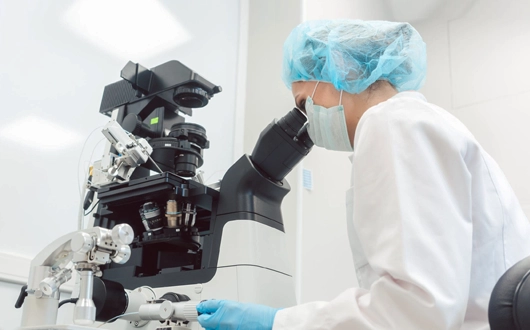
What Is In Vitro Fertilization (IVF)?
IVF is the most advanced assisted reproductive technology, in which the egg is fertilized with a sperm cell in a laboratory environment and the resulting embryo is transferred into the uterus.
In vitro fertilization (IVF),commonly known as “test-tube baby treatment,” is an advanced reproductive technology developed for couples who have difficulty conceiving. In this method, a woman’s eggs are fertilized with male sperm in a laboratory setting, and the resulting embryo is transferred into the uterus. IVF is an important solution that makes pregnancy possible when natural conception does not occur or in the presence of certain medical conditions. This technology offers an effective treatment option for many causes of infertility.
Who Is IVF Recommended For?
IVF treatment can be preferred in various infertility-related conditions. These include blocked or damaged fallopian tubes, male factor infertility (low sperm count or poor motility),unexplained infertility, endometriosis, advanced maternal age, and diminished ovarian reserve. In addition, patients who have not achieved success with other treatment methods may also be suitable candidates for IVF.
How Does the IVF Process Progress?
Treatment usually begins with a comprehensive patient evaluation, including hormone tests, ultrasound examinations, and semen analysis. This is followed by medication to stimulate the ovaries, during which egg maturation is closely monitored. Once the eggs are mature, they are collected under anesthesia and fertilized with sperm in the laboratory. The fertilized embryos develop in the laboratory for several days, after which the healthiest embryo or embryos are selected and transferred into the uterus. A pregnancy test is then performed, and the results are evaluated.
What Are the Methods of IVF Treatment?
1. In Vitro Fertilization (IVF)
In the in vitro fertilization (IVF) method, sperm cells are placed around the egg, allowing fertilization to occur naturally. The resulting embryos are monitored, and on the appropriate day, they are transferred into the uterus.
2. Intracytoplasmic Sperm Injection (ICSI)
In the ICSI (microinjection) technique, a single sperm cell is injected directly into the egg under a specialized microscope to achieve fertilization. Because fertilization rates are higher than with conventional IVF, this method is particularly preferred in cases of male factor infertility.
3. Intracytoplasmic Morphologically Selected Sperm Injection (IMSI)
IMSI involves fertilization by injecting the highest-quality sperm, selected under very high magnification microscopy, directly into the egg.
4. IVF with Genetic Testing (PGS/PGD)
During IVF treatment, embryos can be genetically analyzed to select healthy ones. This approach enables couples with chromosomal abnormalities, a history of chromosomally abnormal pregnancies, or recurrent miscarriages to achieve healthier pregnancies.
5. Mini IVF (Natural Cycle IVF)
Mini IVF is performed using lower doses of hormonal medications compared to conventional IVF. The woman’s natural cycle is minimally stimulated or supported with very low hormone doses. This method is suitable for patients seeking fewer side effects and lower costs, as well as for those with diminished ovarian reserve. Although fewer eggs may be obtained in Mini IVF, the focus is on egg quality.
6. Embryo Freezing and Thawing Procedures (FET – Frozen Embryo Transfer)
Developing embryos can be frozen for future use. FET refers to the transfer of previously frozen embryos into the uterus. This method is used when hormonal conditions are more favorable or to attempt pregnancy again after a failed initial transfer. With advances in cryopreservation techniques, embryos maintain high survival rates after thawing.
7. Assisted Laboratory Techniques
Assisted laboratory techniques are applied to increase IVF success rates or address specific problems. These include ICSI (intracytoplasmic sperm injection),where a single sperm is injected directly into the egg; PGT (preimplantation genetic testing) to screen embryos for genetic disorders; and time-lapse imaging to closely monitor embryo development. These methods allow for personalized treatment and improve the chances of success.
Factors Affecting Success in IVF Treatment
Success rates in IVF treatment vary depending on factors such as the woman’s age, ovarian reserve, sperm quality, embryo quality, the suitability of the uterine environment, and the technology used. Lifestyle factors—including smoking, nutrition, and stress—also play a significant role, as do underlying medical conditions and the experience of the treatment center. The woman’s age, particularly over 35, is one of the most important factors associated with reduced success rates.
What Should Be Considered Before and After IVF Treatment?
Before treatment, overall health should be evaluated and any chronic medical conditions should be well controlled. Avoiding harmful habits such as smoking and alcohol consumption, maintaining a balanced diet, and managing stress are essential. During treatment, it is crucial to strictly follow the prescribed medications and medical recommendations. After embryo transfer, strenuous physical activities should be avoided, and adequate rest is recommended. If the pregnancy test is positive, regular follow-up visits should not be neglected. Emotional support can also be beneficial in coping with the challenges of the treatment process.
What Are the Latest Advances in IVF Treatment Methods?
1. Time-Lapse Embryo Monitoring (Time-Lapse Imaging)
Time-lapse embryo monitoring technology allows continuous and non-invasive observation of embryo development in the laboratory. While embryos are traditionally assessed at specific intervals, time-lapse systems record the embryo’s cleavage and development process in video format. This enables more precise evaluation of embryo quality and selection of the healthiest embryo, potentially improving success rates.
2. Preimplantation Genetic Testing (PGT)
PGT is an important method that enhances IVF success by identifying genetic diseases and chromosomal abnormalities before embryo transfer. It is particularly recommended for couples of advanced maternal age, those with recurrent miscarriages, or those at increased risk of genetic disorders.
3. Advanced Microinjection Techniques
The ICSI (intracytoplasmic sperm injection) technique involves injecting a single sperm directly into the egg. Recent advancements include technologies that improve sperm selection, such as micro-acoustic vibration–based sperm selection and IMSI (intracytoplasmic morphologically selected sperm injection). These methods focus on evaluating the genetic and morphological quality of sperm, offering a higher chance of healthy fertilization.
4. Artificial Intelligence (AI)–Assisted Embryo Assessment
Artificial intelligence algorithms analyze embryo images to detect subtle details that may be missed by the human eye. AI-assisted systems help evaluate embryo developmental potential more objectively and efficiently, aiming to improve pregnancy rates by raising the standards of embryo selection.
5. Improvements in Oocyte and Embryo Cryopreservation Techniques
The rapid freezing method known as vitrification has significantly increased the survival rates of oocytes and embryos. Advances in freezing solutions and devices prevent cellular damage caused by ice crystal formation, enhancing overall success. As a result, frozen embryo transfer (FET) procedures have become more effective and reliable.


 About Me
 Contact