 Türkçe
 English
Hysteroscopic Myom (Fibroid) Surgery in Turkey
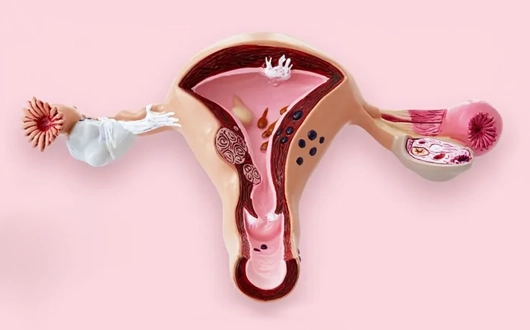
What is a Fibroid (Myoma)?
Fibroids (myomas) are benign tumors that develop as a result of the proliferation of muscle cells in the uterus.
What Are the Symptoms of Fibroids?
The symptoms of fibroids vary depending on their location within the uterus:
- Subserosal fibroids, located near the outer wall of the uterus or growing outward, can press on surrounding tissues, causing bloating, abdominal pain, frequent urination, and constipation.
- Intramural fibroids, confined to the middle muscular layer of the uterus and not reaching the uterine lining or growing outward, can affect uterine contractions, leading to heavier menstrual bleeding and menstrual cramps.
- Submucosal fibroids, growing toward the uterine lining (endometrium),can cause ulceration of the endometrium, resulting in increased menstrual bleeding, cramps, and spotting throughout the month.
Which Fibroids Can Be Removed with Hysteroscopy?
Hysteroscopy is a minimally invasive surgical technique in which a camera system is inserted through the cervical canal to allow detailed evaluation of the uterine cavity. When a pathology is detected, surgical instruments can be passed through the same system for treatment. Submucosal fibroids, which grow toward the uterine cavity, can be treated with hysteroscopy. Depending on the size of the fibroid inside the uterus, additional sessions may be required if the entire fibroid cannot be removed in a single procedure.
Hysteroscopic Fibroid Surgery Turkey
Hysteroscopic fibroid surgery is a modern, minimally invasive procedure in which submucosal fibroids—either extending into or fully located inside the uterine cavity—are removed vaginally using a specialized optical system, without any abdominal incisions.
During the procedure, a thin camera system called a hysteroscope is inserted through the cervix into the uterus, providing a high-resolution view of the uterine cavity. Once the fibroid’s location, size, and relationship with intrauterine structures are clearly evaluated, it is removed in a controlled manner using specialized surgical instruments or energy systems.
This method is particularly effective for fibroids causing heavy menstrual bleeding, irregular periods, anemia, or infertility. One of the main advantages of hysteroscopic fibroid surgery is that no abdominal incision is required, and the uterus is preserved. This results in minimal postoperative pain, a short hospital stay—often same-day discharge—and a rapid return to daily activities.
For women wishing to preserve fertility, removing the fibroid without disturbing the uterine anatomy can positively impact pregnancy outcomes.
However, not all fibroids are suitable for hysteroscopic removal; therefore, careful preoperative evaluation using detailed ultrasound and, if necessary, advanced imaging techniques is essential for proper patient selection.
How is Fibroid Removal Performed via Hysteroscopy?
The hysteroscope is inserted through the cervix into the uterus for evaluation. Fibroids can be removed depending on their size: by cutting with scissors, using a resectoscope (electrocautery system) to cut and coagulate the base, or, for very large fibroids, using a morcellator to break the fibroid into small pieces that are then aspirated and removed.
Advantages of Hysteroscopic Fibroid Surgery
Since hysteroscopy is a minimally invasive surgical technique, hospital stay and recovery time are very short. Compared to open abdominal surgery, the risk of complications such as pain or infection is significantly lower. Fibroids extending into the uterine lining (endometrium) are difficult and risky to access through abdominal incisions. With the hysteroscopic approach, fibroids can be safely removed while preserving the uterus.
Hysteroscopic Fibroid Surgery Prices 2026
The cost of hysteroscopic fibroid surgery varies depending on the number and size of fibroids. Accurate pricing is best provided after an in-person consultation. Please contact our clinic for an evaluation.
Risks of Hysteroscopic Fibroid Surgery
During hysteroscopic fibroid surgery, there is a small risk of uterine perforation and injury to surrounding organs, depending on the size of the fibroid. However, because the procedure is performed under direct visualization with a camera, these risks are minimal. In cases of large fibroids, prolonged surgery may lead to fluid retention and electrolyte imbalances, so a second session may be recommended to complete the procedure safely.
Postoperative Care After Hysteroscopic Fibroid Surgery
Patients can usually be discharged on the same day and take showers at home. Mild abdominal or pelvic pain may occur and can be managed with pain relievers. Antibiotics may be prescribed to reduce the risk of infection. Sexual intercourse is not recommended for three weeks following the procedure.


 About Me
 Contact