 Türkçe
 English
Cesarean Delivery in Ankara
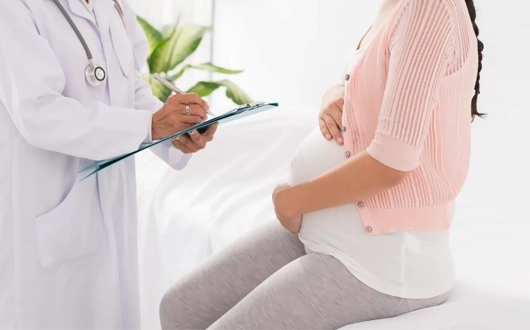
What Is a Cesarean Delivery?
A cesarean delivery is a surgical method of childbirth in which the baby is delivered through an incision made in the front abdominal wall.
How Is a Cesarean Delivery Performed?
During a cesarean delivery in Ankara, an incision is made sequentially through the skin, subcutaneous tissue, abdominal lining, and uterine layers. After opening the amniotic sac, the baby is delivered. Once the baby is born, all layers are closed carefully with bleeding control.
Anesthesia in Cesarean Delivery
Cesarean delivery can be performed under general anesthesia or regional anesthesia, such as epidural or spinal anesthesia. In general anesthesia, the mother is unconscious. Epidural or spinal anesthesia, which numbs the body from the waist down, allows the mother to remain awake, witness the birth, recover more quickly after surgery, and ensures that the baby is not affected by anesthetic medications. For these reasons, regional anesthesia is generally preferred.
Epidural Cesarean Delivery
Epidural anesthesia is administered by inserting a thin catheter into the lower back and delivering anesthetic agents into the space around the spinal nerves. This creates numbness below the waist. The mother does not feel pain but may feel touch or pressure. Since she remains conscious, she can witness the birth and have immediate skin-to-skin contact with her baby.
In Which Situations Is a Cesarean Delivery Performed?
The most important factors in deciding on a cesarean delivery include the baby’s weight, the baby’s overall health, the mother’s pelvic assessment, and the mother’s general health condition. In mothers with gestational diabetes, cesarean delivery is recommended when the baby’s estimated weight is 4,500 grams or more; in mothers without gestational diabetes, when the estimated weight is 5,000 grams or more.
Fetal presentations other than head-first are also indications for cesarean delivery. Cesarean delivery is required if the baby has a developmental anomaly that prevents vaginal birth. Emergency cesarean delivery is necessary when amniotic fluid levels are below normal limits, when non-stress test (NST) results are non-reassuring, or when there is a sudden deterioration in fetal heart rate.
Maternal factors include a narrow pelvis detected during pelvic examination around the 37th week of pregnancy. Cesarean delivery is also recommended in cases of high blood pressure, preeclampsia (high blood pressure accompanied by protein in the urine),or pregnancy-related cholestasis, which presents with widespread itching and elevated liver enzymes, when waiting for vaginal delivery is not safe and urgent delivery is required.
In conditions where pushing is not allowed—such as lumbar disc herniation, intracranial cysts or masses, or certain heart diseases—the mode of delivery is determined in consultation with the relevant medical specialties. Another indication for cesarean delivery is maternal request. A woman has the right to choose cesarean delivery if she does not wish to have a vaginal birth.
Cesarean Delivery in Ankara
Cesarean delivery is a surgical procedure, and both maternal and fetal health must be considered together when planning the birth.
At Which Week Is Cesarean Delivery Performed?
Cesarean delivery can be performed from the 24th week of pregnancy onward, which is considered the earliest gestational age at which a baby may survive. In the absence of risk factors, it is generally scheduled between the 38th and 39th weeks of pregnancy.
How Long Does a Cesarean Delivery Take?
The total time from entering to leaving the operating room is usually about one hour. The actual surgical procedure typically lasts approximately 20–30 minutes.
Is Cesarean Delivery a Surgical Operation?
Yes, cesarean delivery is a surgical operation in which the baby is delivered through incisions made in the abdominal wall and uterine layers.
Is There Pain After Cesarean Delivery?
Since cesarean delivery is a surgical procedure, pain may occur afterward. This pain usually responds well to pain-relieving medications. When epidural anesthesia is used, the catheter can be left in place, allowing pain medications to be administered through it after surgery.
What Are Cesarean Stitches Like?
Cesarean stitches are aesthetic sutures. Although commonly referred to as “laser stitches” by the public, they are not performed with a laser but with cosmetic surgical suturing techniques.
What Are the Risks of Cesarean Delivery?
As a type of abdominal surgery, cesarean delivery carries the same risks as other abdominal operations. Injuries to the bladder or intestines may occur, especially in women with a history of previous surgeries. Poor wound healing may result in incisional hernia. Postoperative wound infection or hematoma (collection of blood) may also occur.
Is Cesarean Delivery Risky for Mothers?
Although cesarean delivery carries higher surgical risks compared to vaginal delivery, it is a commonly performed procedure with a low complication rate. When indicated, it is a life-saving intervention for both the mother and the baby.
Why Is Cesarean Delivery Not Routinely Recommended?
When suitable, vaginal delivery is recommended as the first option. Babies born vaginally tend to experience fewer respiratory problems after birth and develop a healthier microbiota later in life. However, when vaginal delivery is not possible or when there is an emergency threatening the health of the mother or baby, cesarean delivery should be performed without delay.
Which Is More Difficult: Cesarean or Vaginal Delivery?
Both delivery methods can be challenging depending on circumstances. Vaginal delivery may be more difficult for large babies, while cesarean delivery may be easier in such cases. If the mother is unable to push effectively, assisted vaginal delivery using vacuum or forceps may be required. In women with multiple previous cesarean deliveries, abdominal adhesions may make surgery more difficult. In obese patients, vaginal delivery may progress more easily, while cesarean delivery can be technically challenging due to thick abdominal fat tissue.
What Should Women Pay Attention to After Cesarean Delivery?
Wound care after cesarean delivery is very important. Prescribed antibiotics should be taken regularly, dressings should be changed as instructed, and hygiene should be maintained. All mothers—especially those with gestational diabetes—should follow a healthy diet that is low in carbohydrates and rich in protein.
To increase breast milk production, mothers should drink at least 3–4 liters of water per day and consume a diet rich in greens and protein. After the postpartum recovery period, light exercises such as walking can be started, while heavier exercises like Pilates are recommended after six months.
Which Type of Birth Is Healthier for the Baby?
The healthiest type of birth for a baby is the one recommended by the physician. Every pregnancy and baby is unique, and the most appropriate delivery method varies accordingly. However, in clinically similar cases, vaginal delivery is generally considered healthier for the baby.


 About Me
 Contact